Punda, Curaçao: A Walking Guide to Willemstad's Historic Heart
November 18, 2026 · 5 min read
Punda, Curaçao is the scene most people picture before they arrive: pastel buildings on the water, narrow shopping streets and centuries of history packed into a few blocks. It is the oldest quarter of Willemstad, on the eastern side of St. Anna Bay, and it is easy to explore on foot in a morning or an afternoon. Whether you are staying on the island or are one of the many cruise passengers with a few hours ashore, this guide walks you through the highlights, from the fort to the market, and ends with dinner across the water in Otrobanda.
What Is Punda?
The name comes from the Dutch "de punt", meaning "the point". Punda was founded in 1634, when the Dutch West India Company took the island from Spain. It began as a walled town around the harbour, and those city walls were only pulled down in 1861. For a long period the town was also a major centre of the Atlantic slave trade, a painful part of its past. Across the bay lies Otrobanda, whose name in Papiamentu means "the opposite side".
In 1997 the historic centre of Willemstad, including Punda, Otrobanda and the harbour, was listed as a UNESCO World Heritage Site. Walking its streets today, you can still see the old merchant houses and the bright colours that make the city famous. Many ground floors are now shops, while the upper floors keep their old shutters and balconies.
Things to Do in Punda, Curaçao
The quarter is compact, so you can see the main sights in two or three hours at an easy pace. Here is a simple route that starts at the waterfront. If you want to take in both sides of the bay, our guide to things to do in Willemstad covers the sights beyond Punda.
Start by the water at Handelskade, the row of painted merchant houses facing St. Anna Bay, then head for the fort at the harbour mouth.
Fort Amsterdam, Curaçao
Just around the corner, guarding the mouth of St. Anna Bay, stands Fort Amsterdam. The Dutch started work on it in 1634 and completed it a year or two later. For a long time it served as the base of the Dutch West India Company, and the island's Governor and government still work behind its walls today. The original plans called for walls three metres wide and five bastions, but only four bastions were ever built. The fort has also seen drama in modern times: in 1929 the Venezuelan rebel Rafael Simón Urbina and about 250 men captured it and took the Governor prisoner.
Inside the complex, walk round to the south-western wall of the Fort Church. Lodged in it is a cannonball from 1804, the year a British squadron under Captain John Bligh captured the fort. The church also has a small museum on the island's Protestant community, worth a quick look if it is open.
Mikvé Israel-Emanuel Synagogue
A short walk inland brings you to the Mikvé Israel-Emanuel Synagogue, which locals call the Snoa. Its congregation was founded in 1651 and the present building opened in 1732. No older synagogue survives anywhere in the Americas. Take a moment to look up as well. The dark mahogany ark and reading platform, the high vaulted ceilings and the blue stained-glass windows make the interior feel calm and grand at the same time.
Step inside and you walk on sand. A common explanation is that it remembers the hidden prayer houses of Jewish families on the Iberian Peninsula, where sand kept footsteps quiet. The Jewish Historical Cultural Museum next door covers more than three and a half centuries of community life on the island, with objects and documents from its long history. Opening times can change, so check the official website before you go.
The Curaçao sign at Wilhelminaplein
Next, stop at Wilhelminaplein, a small square close to the water, for a picture with the big CURAÇAO letters. A DUSHI sign stands nearby; the word is a local favourite and means sweet, nice or lovely in Papiamentu. The letters get busier as the day goes on, so an early visit gives you the best chance of a clear shot.
Floating market, Curaçao
Finish at the floating market on the edge of Punda. Venezuelan traders tie up their boats along the quay and sell fruit and vegetables from stalls right beside them, which makes it a fun place to try tropical fruit you may not know.
Local authorities keep an eye on the market: after inspections in June 2026, two boats were told to leave and two more were suspended, so expect the number of stalls to change from one day to the next.
How to Get to Punda
Punda sits in the centre of Willemstad, so most visitors simply walk in. Coming off a ship? The guide linked at the start of this article covers the route from the terminal. Once you are in the quarter, the sights are close together, so you will not need a car or a taxi, and the narrow streets are easier to enjoy on foot anyway.
Tips for Your Walk
- Go early or late. The midday sun is strong, and there is little shade on the waterfront. A morning walk also means fewer people at the sign and along the quay.
- See the museums. The Fort Church and the synagogue each have a small museum, so allow extra time if you enjoy history.
- Respect working sites. Fort Amsterdam is a government building and the synagogue is a place of worship, so check visiting rules and dress modestly.
- Carry some cash. Small market stalls may not take cards, and it is handy for a cold drink or a snack along the way.
Cross Back to Otrobanda for Dinner
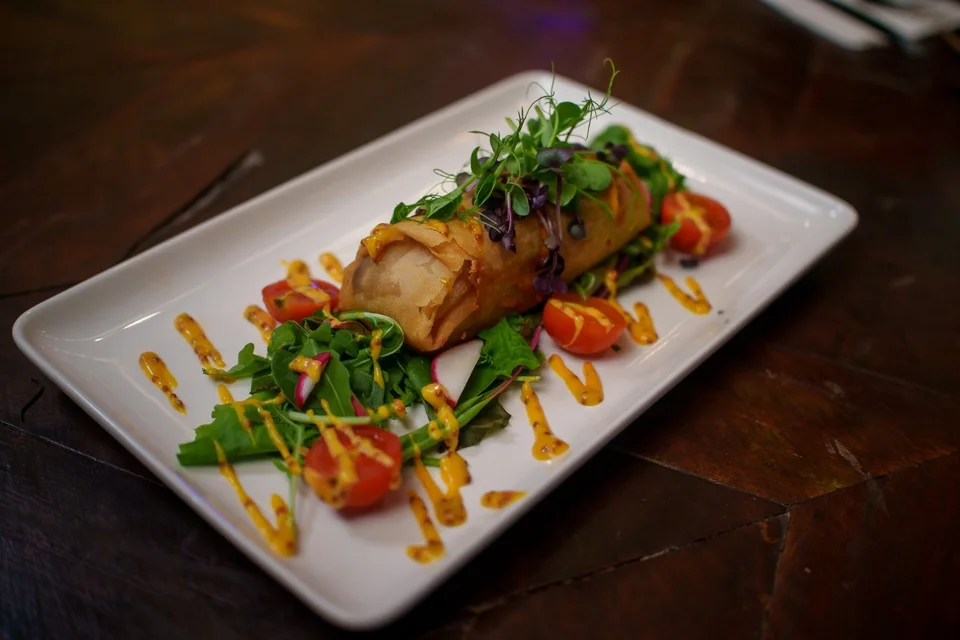
When the sun goes down, walk back over the Queen Emma Bridge. The lights come on, the waterfront glows, and Otrobanda is just a few minutes away. This quieter side of the bay is a relaxed place to end the day. Our guide to where to eat in Otrobanda runs through the kinds of places you will find there.
Bodega Siete Gotas is at 28 Ferdinandstraat, in the heart of historic Otrobanda. Our open-fire kitchen serves prime steaks, fresh seafood, the catch of the day and our Special Fresh Lobster, made to share around the table. We are open from 18:00 to 23:00 and closed on Tuesdays.
Frequently Asked Questions
What is Punda in Curaçao?
Punda is the oldest quarter of Willemstad, founded in 1634 on the eastern side of St. Anna Bay. It is part of a UNESCO World Heritage Site.
How long does it take to walk around Punda?
Two to three hours is enough to see Handelskade, Fort Amsterdam, the synagogue, the Curaçao sign and the floating market at a relaxed pace.
Why does the synagogue have a sand floor?
One explanation is that it recalls the makeshift prayer houses of Jewish ancestors on the Iberian Peninsula, where sand muffled footsteps.
What does the name Punda mean?
It comes from the Dutch “de punt”, meaning “the point”.
Where is the Curaçao sign?
At Wilhelminaplein in Punda, close to the waterfront, with a DUSHI sign nearby.
For dinner on the other side, save your seat online.